Technology leaders can’t drive transformation from the sidelines. Discover why CTOs need a strategic role in banking leadership and decision-making.
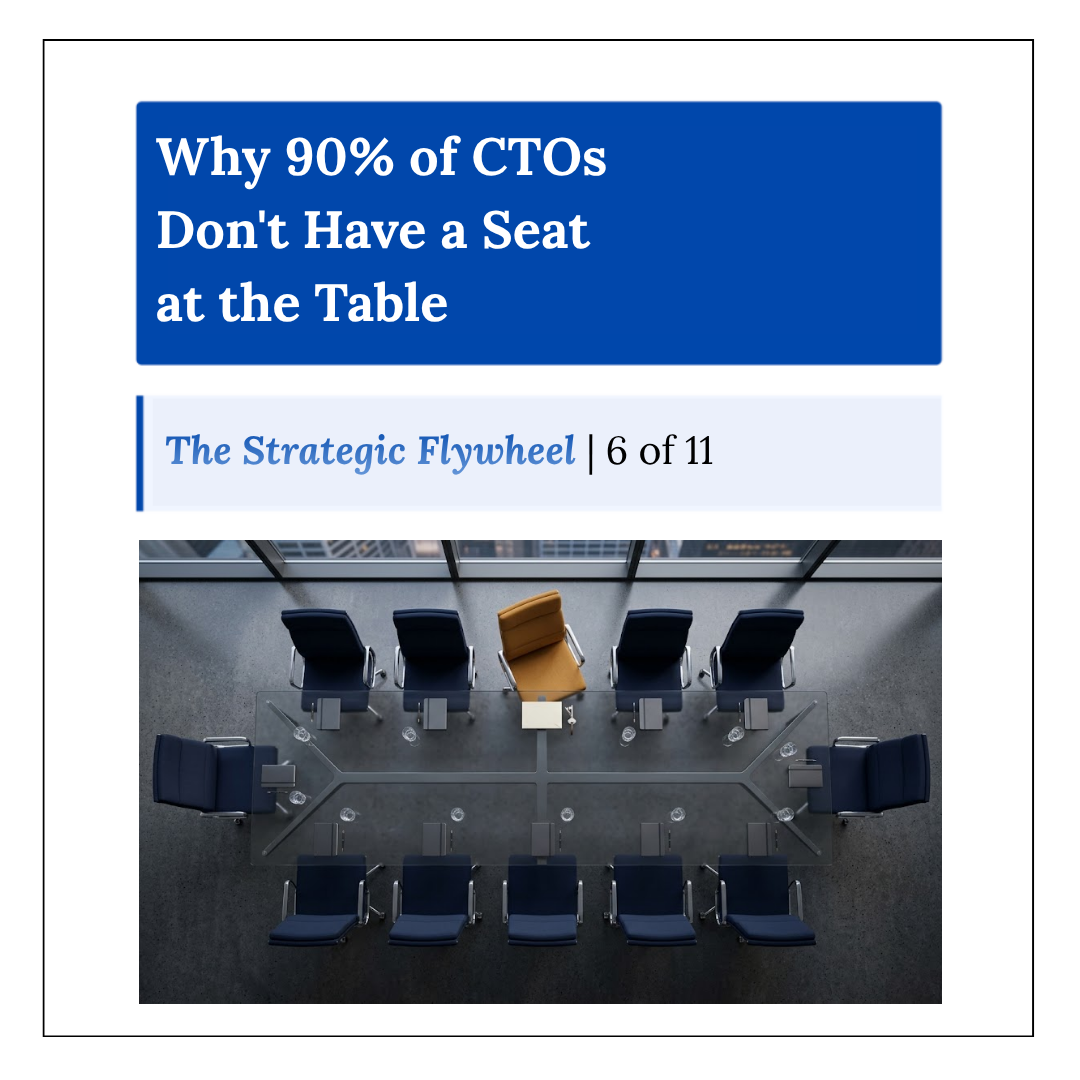
In preparing this book, I surveyed 113 banks currently in the process of changing their core banking systems. I asked a lot of questions, but one produced the most striking answer: does your CIO or CTO have a seat at the board?
Ninety percent said no.
Think about what that means. These are institutions in the middle of their largest, most complex, most expensive technology programs. The people running those programs are not in the room where strategy is set. The board is making decisions about transformation scope, investment levels, and timeline expectations without the person who has to deliver them sitting at the table. And they wonder why these programs stall.
This isn’t a technology problem. It’s a leadership structure problem, and it has predictable consequences.
When technology doesn’t have a board-level voice, a few things happen consistently. Commercial priorities get set without understanding their infrastructure cost, and what looks like a reasonable product roadmap turns into a multi-year debt accumulation nobody planned for. Risk decisions get made in a vacuum: the board approves a new initiative, and by the time anyone surfaces the architectural dependencies, too much has already been committed to reverse course cleanly. And the people with the clearest view of where the system is fragile are filtered out of the room where it would matter most.
Angelo Incorvaia, a senior technology leader who has held this discipline across TD Bank and Citi, named the underlying requirement plainly:
“Priorities must be set at the top of the house and communicated so everyone marches to the same drumbeat.”
— Angelo Incorvaia, Senior Technology Leader, TD Bank / Citi
That sentence sounds simple. It isn’t. Setting priorities at the top of the house only works if the top of the house includes people who understand the real cost of those priorities, including the hidden costs that accumulate on the technology side when the wrong things get funded first.
The CTO’s job at the board level isn’t to advocate for technology. It’s to make the consequences of decisions visible before they’re irreversible. That’s a different function, and it’s one that only works if the CTO is in the room during the conversation, not after the agenda has already been set.
There are banks that have figured this out. They’re not common, but they’re identifiable by a few shared characteristics:
- Technology leadership holds a seat at the executive committee, not just a reporting line to the COO.
- Investment decisions include a multi-year cost view, not just the first-year number.
- Risk conversations happen at the front of the project, not in a review after the design is locked.
- The board can name the top technology risks without being briefed by a consulting firm first.
None of this is structurally complicated. What makes it rare is that it requires commercial leadership to treat technology as a strategic function rather than an operational one, and to invite a CTO into discussions where the honest answer is sometimes “that will cost you more than it looks.”
The banks that will compete effectively over the next decade aren’t going to be the ones with the most ambitious technology roadmaps. They’re going to be the ones where the person running the technology was in the room when those roadmaps were set, could say what they’d actually cost, and was trusted enough that the answer mattered.
Ninety percent of banks aren’t there yet. The ones that are know the difference.
— Rick Mavrovich